
Lucéram in My Top 5 French Villages to Discover This Winter
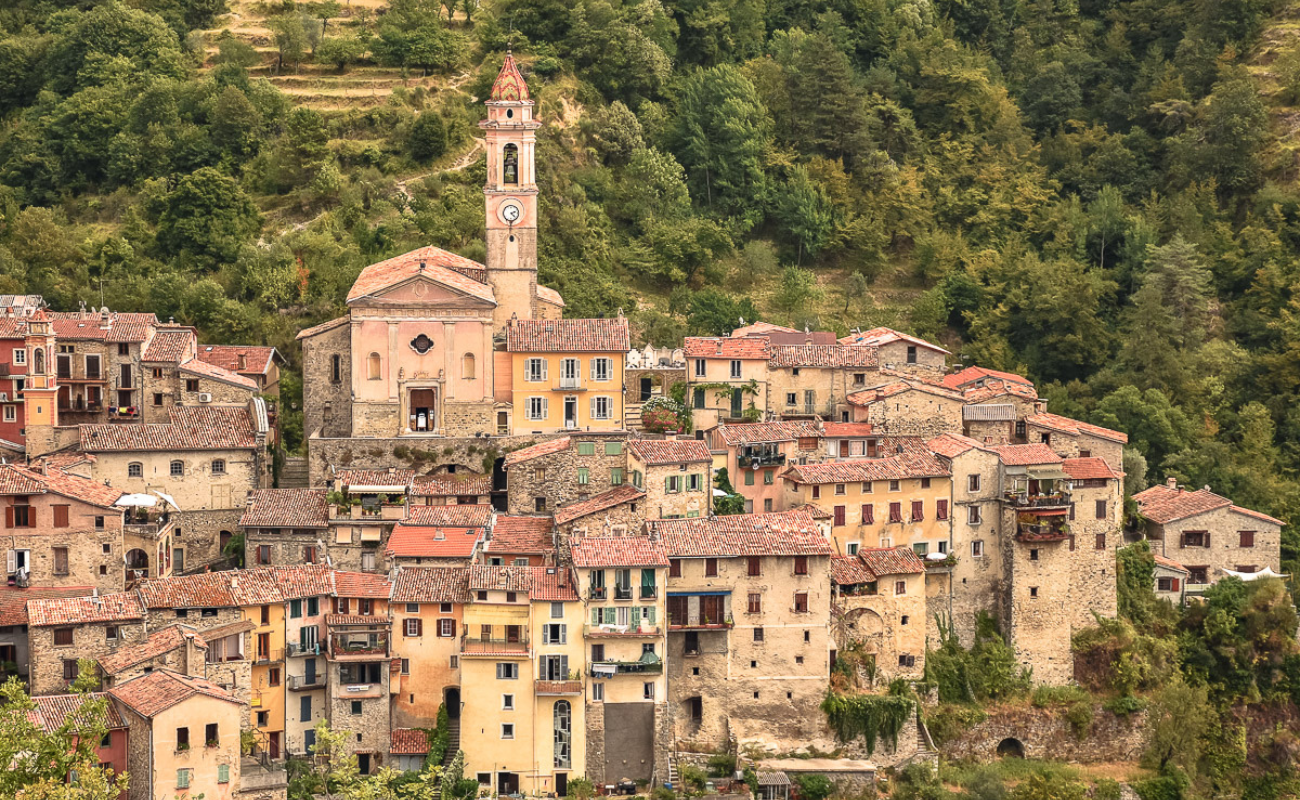
This hilltop village near Nice turns into a true Christmas fairy tale during winter. Each year, Lucéram hosts the famous Circuit des Crèches, showcasing hundreds of handcrafted nativity scenes displayed throughout the streets and historic buildings, creating a truly magical atmosphere in December and early January.
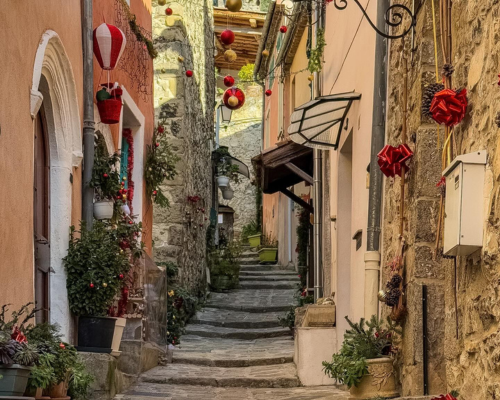
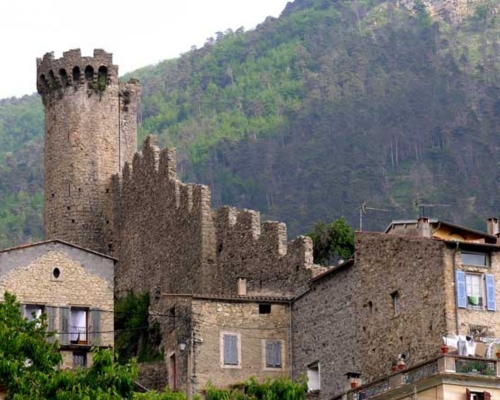
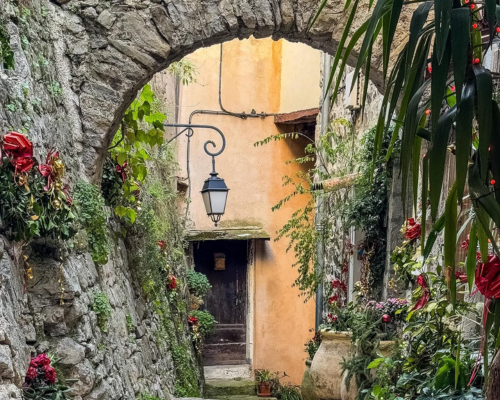
Lucéram is a historic hilltop village located in the Alpes-Maritimes, about an hour’s drive from Nice, nestled between the Mediterranean coast and the lower Alpine mountains. Built along an ancient salt route linking the coast to the interior, the village developed during the Middle Ages and still preserves much of its fortified character. Its elevated position offers wide views over forested valleys and mountain ridges, while its old center is a maze of narrow, winding lanes, vaulted passageways, stone houses, and stepped streets. Defensive towers, gates, and ramparts remain visible reminders of its strategic past, giving Lucéram a strong architectural identity and a genuine sense of history.
Walking through Lucéram feels like exploring a layered heritage site. The village features baroque chapels, painted façades, and small religious landmarks scattered throughout the streets and surrounding hillsides. The Church of Sainte-Marguerite, with its decorative interior and artworks, is one of the cultural highlights. Traditional houses are built in warm-toned stone and often connected by arches, creating shaded corridors and cool passageways in warmer seasons. Artisan workshops, small cafés, and local producers add life to the historic setting, while hiking trails around the village lead to chapels, viewpoints, and forest paths that showcase the natural beauty of the Paillon valley.
Lucéram is especially famous for its annual Nativity Scene Trail (Circuit des Crèches), which transforms the entire village into an open-air exhibition each winter, typically from December through early January. Hundreds of handcrafted nativity scenes – ranging from traditional to highly creative – are displayed in streets, windows, stairways, chapels, and public buildings. This event attracts visitors from across the region and gives the village a warm, festive atmosphere without losing its authenticity. Combined with cool mountain air, nearby hiking opportunities, and easy access from the Riviera, Lucéram offers a distinctive winter experience that blends heritage, spirituality, craftsmanship, and scenic charm.
Lucéram’s past is closely tied to its strategic position on the former salt road that connected Nice to Piedmont in Italy. During the Middle Ages, salt was a precious commodity, and villages along this trade route grew in importance and wealth. Lucéram became a fortified settlement, protected by walls and towers, some of which are still visible today. Over the centuries, it was influenced by both Provençal and Savoyard cultures, which can be seen in its architecture, chapels, and decorative religious art. Agriculture, olive growing, mountain livestock, and small trade sustained village life for generations, creating a self-reliant mountain community.
The feel of Lucéram today is peaceful, authentic, and slightly timeless. Unlike larger Riviera destinations, it has kept a slow rhythm of life. Walking through the old streets, you notice stone stairways, covered passages, wooden doors, and flowered windows that create an intimate, lived-in atmosphere. There is very little modern visual intrusion in the historic center, which helps preserve its character. In winter especially, the village feels quiet and reflective, with cool mountain air and soft light on the stone façades.
What makes Lucéram especially distinctive in terms of atmosphere is how strongly local tradition is still present, particularly through religious heritage and craftsmanship. Small chapels dot the surrounding hills, village festivals remain important, and the winter Nativity Scene Trail brings residents and artisans together in a very personal way. The result is not just a place to visit, but a village you can genuinely feel – rooted in history, community, and mountain culture rather than tourism alone.