Tourist Scams in Paris and Major French Destinations: What Travelers Need to Know

Paris and France’s most visited destinations welcome millions of travelers every year. Alongside museums, cafés and historic landmarks, however, there exists a parallel economy built on deception.
Tourist scams, often small in individual value but massive in collective impact, continue to thrive in crowded areas where visitors are distracted, unfamiliar with local customs, and carrying valuables. While violent crime remains relatively low, petty fraud and pickpocketing are persistent realities that travelers should understand before arriving.


Pickpocketing: The Most Widespread Threat
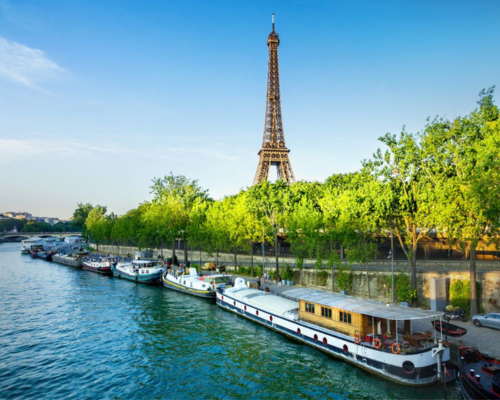
Pickpocketing is by far the most common crime affecting tourists in Paris and in other heavily visited French cities. It typically occurs in crowded environments such as metro trains, station corridors, escalators, museum entrances, and popular landmarks including the Eiffel Tower, Montmartre, the Louvre, and major transport hubs like Châtelet–Les Halles or Gare du Nord.
Pickpockets often work in teams. One person may block the victim’s path, ask for directions, drop something on the ground, or create physical contact in a crowd, while an accomplice quietly removes a wallet or phone. In some cases, children are used because they attract less suspicion.
To reduce the risk, travelers are advised to carry bags in front of their bodies in crowded areas, keep zippers fully closed, and avoid storing valuables in back pockets or easily accessible compartments. Anti-theft backpacks and money belts provide an additional layer of protection. Awareness is particularly important on public transportation, where close physical proximity makes theft easier and escape quicker.
The Gold Ring Trick: A Classic Confidence Scam
Another long-standing scam involves a person pretending to discover a gold ring on the ground near the tourist, then asking whether it belongs to them. When the tourist declines, the scammer may offer the ring as a gift or claim it brings good luck, before asking for money in exchange. The ring, of course, is worthless.
This scheme is most commonly reported along the banks of the Seine, near bridges, and around monument exits where foot traffic is dense and people tend to slow down. The safest response is not to engage at all and never to pick up objects that strangers claim to have found. Simply walking away without conversation usually ends the interaction.
Bracelet and Friendship Scams Around Montmartre
Near Sacré-Cœur and in parts of Montmartre, tourists are frequently targeted by individuals who appear friendly and welcoming, sometimes greeting visitors enthusiastically or offering a handshake. During this moment of physical contact, the scammer rapidly ties a bracelet around the wrist and then demands payment. In more aggressive cases, groups may surround visitors and pressure them into paying.
Because the physical act happens very quickly, the best protection is to avoid stopping when approached and to keep hands close to the body. Firm refusals and continued movement are generally effective, as scammers prefer easy targets who hesitate or attempt to negotiate.
Fake Petitions and Charity Appeals
Fake petition scams typically involve people carrying clipboards who ask tourists to sign documents for humanitarian or social causes, such as helping deaf children or supporting refugees. While the tourist is distracted by the form, either money is demanded afterward or an accomplice may steal belongings during the interaction.
These scams are commonly seen near major attractions such as Notre-Dame, the Eiffel Tower, and museum plazas where people tend to pause and congregate. Legitimate organizations rarely solicit signatures or donations on busy tourist streets. Visitors are advised to decline all clipboard approaches and continue walking.
“Free” Roses and Street Gifts
Romantic gestures can also be part of a scam. Individuals may offer roses or small souvenirs, claiming they are free or simply a friendly gift. Once the item is accepted, payment is demanded, sometimes loudly and publicly to pressure the tourist into complying.
Such encounters are frequent near café terraces, scenic riverbanks, and nightlife districts. The simplest defense is to decline all unsolicited gifts and avoid taking objects offered by strangers, even briefly.
Transport-Related Scams in Metro Stations and Airports
Transportation areas are prime hunting grounds for scammers. One recurring tactic involves fake helpers who offer assistance with ticket machines and then sell invalid or overpriced tickets. Others may pose as official staff or exploit confusion around fare systems.
Tourists should purchase tickets only from official machines or ticket counters and seek help directly from uniformed staff inside metro offices. Anyone approaching unsolicited with offers of assistance or discounted fares should be treated with suspicion.
Taxi scams are more common near airports and major stations. Unlicensed drivers may approach travelers claiming that official taxis are unavailable, then charge inflated flat rates or manipulate routes. Using licensed taxis or reputable ride-hailing apps significantly reduces this risk.
Street Gambling and Performance Distractions
Shell games, card tricks, and street betting games are staged scams in which participants are never meant to win. Teams of scammers pretend to be spectators or successful players to encourage tourists to join, after which the game is manipulated to guarantee losses.
These setups also attract pickpockets, using the crowd as cover for theft. Travelers should avoid stopping near such performances and continue walking, especially if money is being exchanged openly.
Counterfeit and Fake Transport Tickets
Another recurring issue in major tourist zones involves the sale of counterfeit or invalid public transport tickets. Individuals may approach travelers outside metro stations, near ticket machines, or in train station halls, offering “discounted” tickets or claiming machines are broken. In reality, these tickets are often expired, already used, or entirely fake, and they will not pass ticket inspections.
Tourists caught with invalid tickets may still be fined by transport authorities, even if they were unknowingly scammed. To avoid this situation, travelers should purchase tickets exclusively from official vending machines, ticket counters, or authorized apps, and should decline any unsolicited offers of assistance or private sales, no matter how convincing or urgent they may appear.
Tourist Attraction Ticket Scams and Fake Fast-Track Access
Scams also occur around major attractions, where unauthorized sellers claim to offer skip-the-line access or special fast-track entry to monuments such as the Eiffel Tower, the Louvre, Versailles, or popular museums. These individuals may wear lanyards, carry clipboards, or position themselves near official entrances to appear legitimate. In many cases, the tickets provided are either invalid, overpriced standard tickets, or completely non-existent, with the scammer disappearing once payment is made.
Travelers can protect themselves by purchasing tickets only through official websites, museum counters, or verified resellers, and by remembering that true fast-track systems are clearly organized within the attraction itself, not sold by people roaming outside the premises.
Café and Restaurant Surcharges Targeting Tourists: the “Tourist Tax” Practices
While not illegal in most cases, price practices that disproportionately affect tourists are frequently reported in heavily visited districts, especially near landmarks, waterfronts, and historic centers. Some cafés and restaurants may present menus with unclear pricing, apply higher charges to terrace seating without clear disclosure, or add unexpected fees under vague service descriptions. In extreme cases, tourists may be given different menus from locals, with significantly inflated prices.
Although service is legally included in French menu prices, additional charges can still appear if not carefully checked. To avoid unpleasant surprises, diners are advised to read menus posted outside establishments before entering, confirm prices when unsure, and request an itemized bill if charges seem inconsistent with what was ordered.
Begging as a Distraction Technique
While many people asking for money are genuinely in need, some organized groups use begging as part of distraction theft operations. Situations involving loud arguments, emotional appeals, or multiple people approaching at once may serve to divert attention while valuables are taken.
Those wishing to support social causes are encouraged to donate to established charities rather than individuals on the street, particularly in crowded tourist zones.
Scams Beyond Paris: What to Expect in Other French Cities
Outside Paris, scams follow similar patterns, especially in coastal resorts, historic towns, and festival cities. ATM-related fraud can occur when machines are tampered with or when strangers offer help during transactions in order to observe PIN codes. Using indoor bank ATMs and shielding the keypad reduces this risk.
Restaurant and bar overcharging is occasionally reported in highly touristic districts, particularly where menus are not clearly displayed. Some establishments may present tourist menus with inflated prices or add unannounced service charges. Checking menus before ordering and asking whether service is included can prevent unpleasant surprises.
What to Do If You Are Targeted or Victimized
If theft or fraud occurs, travelers should contact local police as soon as possible. In France, emergency services can be reached by dialing 17. Filing a police report is essential for insurance claims and for replacing stolen documents. Banks should be notified immediately if cards are lost or compromised, and embassies can assist in cases involving passports or identity papers.
Staying Safe Without Losing the Joy of Travel
Despite these risks, France remains one of the world’s most rewarding travel destinations. Most visitors never experience serious problems, and the majority of encounters are positive and welcoming. Scammers rely on speed, confusion, and hesitation. Confidence, awareness, and simple precautionary habits dramatically reduce vulnerability.
Understanding how scams operate does not mean traveling in fear; it means traveling informed. With realistic expectations and basic vigilance, tourists can focus on what truly matters: enjoying the culture, history, and everyday beauty that France has to offer.
Paris and France remain fantastic destinations. Most visits go smoothly with basic precautions. Have a great trip in France with My French Trip, and travel smart!